What does success look like in the climate change fight? Is there a point where victory can ever be declared? Is that a "correct" temperature (what is it) or a CO2 PPM number (what's ideal)? When industry and scientists stop lobbying for money to fight it?
I assume 350 is simply considered more achievable. It's not easy to remove carbon from the atmosphere, especially when you consider that a lot of it was not even in the biosphere before we pulled it out of rocks.
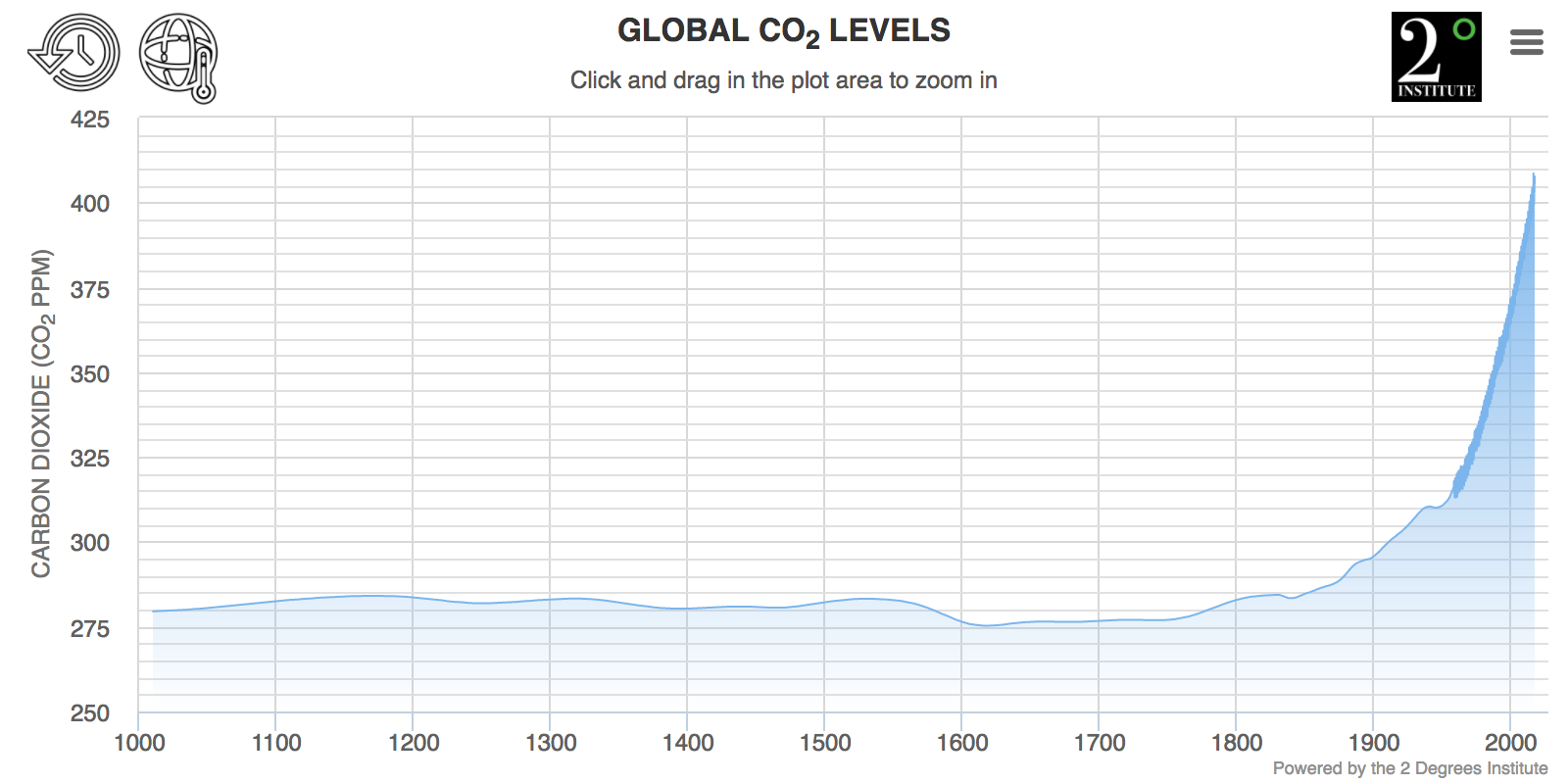
Ideally, pre-industrial levels of CO2 ppm and stabilization of planetary scale changes (ocean dilatation, melting of glaciers etc). Because of inertia at this scale, for the second part we are already in trouble, even if we were able to magically stop emitting CO2 today
I think it's interesting that Homo sapiens evolved during the last ice age where the climate was significantly different than today's climate. We already "won" a major climate change once despite having a level of technology barely better than sharp sticks and pelt cloaks.
Instead of defining success based on climate stability itself, I think it makes more sense to define success in terms of what we care about: a thriving environment for humans and diverse other forms of life.
I think we'll be "winning" climate change, regardless of average temperature or CO2 level, as long as we're able to avoid catastrophic loss of human population and the rate of extinction is within some acceptable limit.
At the same time, the population has been booming to the point that close to half of the humans who ever existed are alive on Earth right now. This is a significant part of the current crisis actually.
An even larger fraction of developed countries would be losing population already if it wasn't for immigration. This suggests that as the developing world becomes more like the developed world, human population will be less of a concern for the global environment.
My perhaps radical position is that two best solutions for surviving climate change are birth control and education for women. The fewer people we need to keep alive, the more easily we'll be able to adapt to the changing climate.
Yep and there is broad disagreement regarding when the peak will be. I remember at least one analyst for a large found implying it would be much sooner that what the UN model predicts. It’s apparently surprisingly hard to give good long term prediction for population growth.
I think it’s a bit late for what you are proposing however. Most of the world population is quite young.
I mean, the entire shape of that graph changed radically with the invention of the Pill, so it's probably very hard to predict going forward when we have no idea what upcoming technological innovation or cultural change will affect birthrates.
I remember reading, admittedly in a couple of science-fiction books, that the estimated number of humans that have ever existed is about 100 billion. Was that estimate wildly exaggerated? Or has it been dramatically reduced in recent decades?
It depends on what we want to do collectively, which seems largely undecided. If we want to look at addressing climate change as a way to stabilize the environment in a way that we see fit, then there may be more ways than just CO2 in which we could do so. Unfortunately, a lot of more environmentally-minded individuals, including politicians, speak as if their beliefs are that humans should have no impact on the environment whatsoever and that the environment of the mid-to-late Holocene epoch is the correct one. Neither of the latter is accurate or possible, but superficially it would seem compatible with the view that we should tweak the variables so that the environment suits our needs.
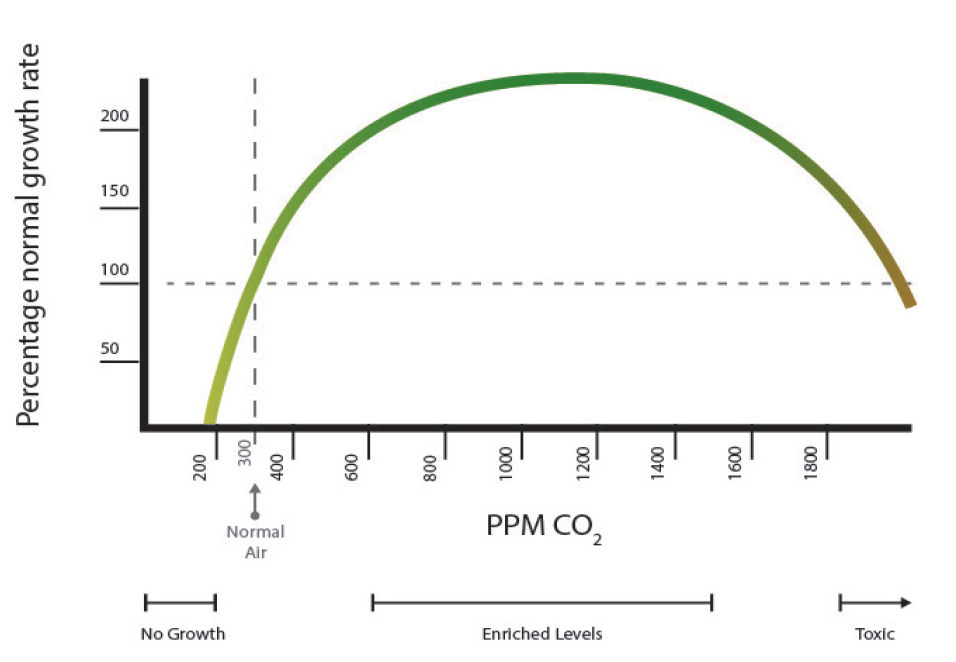
If we bring global CO2 back down to 280 ppm (like it was in the year 1700[1]), then a lot of today's farming methods will have substantially lower yields. Our modern crops need those higher CO2 levels to grow fast[2]. Without other ways to grow more food, people will starve.
Are you aware of any sane takes like this you have links to? Even some of the skeptical articles like the one in The Atlantic are more calling out hypocrisy than attempting to take a serious look at the reality of threats from "AI" (which, as you point out is, not really AI).
It's just different order of operations on coalition building. Other systems divide into a majority and opposition at some point. In the US it just happens earlier, but there is the same diversity of opinions within those groups.
Trump did not explicitly recommend ingesting a disinfectant like bleach. Nevertheless, his remarks led some companies and state agencies to issue warnings about ingesting disinfectants.